
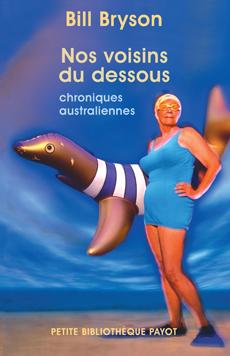
Bill Bryson
Christiane Ellis (Traducteur)David Ellis (II) (Traducteur)/5 274 notes
Christiane Ellis (Traducteur)David Ellis (II) (Traducteur)/5 274 notes
Résumé :
L'Australie n'est pas seulement célèbre pour ses kangourous, ses drag-queens et ses surfeurs. On y trouve aussi les bestioles les plus voraces et venimeuses du globe, des déserts où mieux vaut ne pas s'aventurer pour un petit besoin, et puis de drôles de gens persuadés que vous les prenez pour des ploucs du bout des antipodes. Bill Bryson, l'illustre auteur chez Payot de Motel Blues et American Rigolos, aimerait ressembler à Indiana Jones plutôt qu'à Mister Bean. Le... >Voir plus


étiquettes
Ajouter des étiquettes
Que lire après Nos voisins du dessous : Chroniques australiennesVoir plus


Critiques, Analyses et Avis (37)
Voir plus
Ajouter une critique

Et voilà, mon voyage est terminé , je suis de retour d'une Australie si bien racontée par Bill Bryson, que cela va me préserver d'un trop long vol vers ce pays qui m'a toujours attiré.
Comme toujours avec un humour qui n'appartient qu'à lui et un sérieux dans ce qu'il veut nous faire comprendre, Bill Bryson explique que l'Australie est un pays continent si vaste et si varié que chacun d'entre nous peut y trouver des merveilles inoubliables.
Ce qui m'a frappée à la lecture de ce livre c'est à quel point je savais peu de choses sur l'Australie.
Mais je ne suis visiblement pas la seule comme nous le dit Bill Bryson c 'est peut-être parce que « ce pays ne connaît pas de coups d'État, n 'épuise pas ses réserves de poissons , n'arme pas d'horrible despotes, ne pratique pas la culture de la drogue de façon indécente . Bref, c'est un pays qui ne joue pas les gros bras et ne fait pas sentir sa puissance d'une manière provocante et déplacée. Un pays stable , pacifique et correct. Un pays qui n'a ps besoin d'être surveillé du coin de l'oeil , ce qui fait qu'on ne le regarde même plus».
J'ai beaucoup aimé les descriptions des petits musées qui sont souvent plus intéressants qu'il ne le pensait de prime abord.
Le danger de la faune m 'a fait irrésistiblement penser au "Koala tueur » je m'attendais que Bill Bryson cite Kenneth COOK car ils ont le même humour quand ils parles des dangers de la gent animale australienne.
Pendant toute la lecture je me demandais comment il allait parler des Aborigènes, il le fait à la fin mais hélas on sent bien qu'il n' a discuté avec aucun d'entre eux . Je trouve que ça manque.
Alors si vous voulez qu'on vous raconte une nature absolument superbe , désertique ou luxuriante, rencontrer des gens « cool et sympa » , avaler des kilomètres sous une chaleur étouffante, vous faire peur avec des requins, des araignées, des méduses des serpents ou tout autre insecte , n'hésitez pas prenez le temps de lire « nos voisins du dessous »
Lien : http://luocine.over-blog.com..
Comme toujours avec un humour qui n'appartient qu'à lui et un sérieux dans ce qu'il veut nous faire comprendre, Bill Bryson explique que l'Australie est un pays continent si vaste et si varié que chacun d'entre nous peut y trouver des merveilles inoubliables.
Ce qui m'a frappée à la lecture de ce livre c'est à quel point je savais peu de choses sur l'Australie.
Mais je ne suis visiblement pas la seule comme nous le dit Bill Bryson c 'est peut-être parce que « ce pays ne connaît pas de coups d'État, n 'épuise pas ses réserves de poissons , n'arme pas d'horrible despotes, ne pratique pas la culture de la drogue de façon indécente . Bref, c'est un pays qui ne joue pas les gros bras et ne fait pas sentir sa puissance d'une manière provocante et déplacée. Un pays stable , pacifique et correct. Un pays qui n'a ps besoin d'être surveillé du coin de l'oeil , ce qui fait qu'on ne le regarde même plus».
J'ai beaucoup aimé les descriptions des petits musées qui sont souvent plus intéressants qu'il ne le pensait de prime abord.
Le danger de la faune m 'a fait irrésistiblement penser au "Koala tueur » je m'attendais que Bill Bryson cite Kenneth COOK car ils ont le même humour quand ils parles des dangers de la gent animale australienne.
Pendant toute la lecture je me demandais comment il allait parler des Aborigènes, il le fait à la fin mais hélas on sent bien qu'il n' a discuté avec aucun d'entre eux . Je trouve que ça manque.
Alors si vous voulez qu'on vous raconte une nature absolument superbe , désertique ou luxuriante, rencontrer des gens « cool et sympa » , avaler des kilomètres sous une chaleur étouffante, vous faire peur avec des requins, des araignées, des méduses des serpents ou tout autre insecte , n'hésitez pas prenez le temps de lire « nos voisins du dessous »
Lien : http://luocine.over-blog.com..

L 'Australie vue par un américain qui a surtout vécu en Grande Bretagne. Un sujet forcément intéressant car je vis aux Antipodes et l'Australie est notre proche voisin et une destination de vacances toute proche. le livre n 'est qu' un journal de voyage assez ordinaire . On y découvre un "pays continent" immense , en très grande partie désertique ( mais sans la beauté du Sahara) , plutôt hostile ,l'outback australien ( on pense à Kenneth Cook ou à "Piège nuptial" de Douglas Kennedy). Les distances sont énormes , le sentiment d'isolement réel et l' ennui souvent au rendez vous . Bill Bryson , fort heureusement , nous raconte tout cela avec humour mais aussi avec une certaine distance ( la"question" aborigène)
Les anecdotes originales et intéressantes sont les bienvenues pour rompre la monotonie du voyage . Bien sur , il y a aussi les grandes villes australiennes , totalement à l'opposé, modernes , dynamiques , ouvertes au monde et à la mer. Il y' a ces australiens sympathiques et décontractés . Une population ,heureuse de vivre dans son pays, consciente de sa singularité ,sans prétention , ouverte aux autres.
Ce livre est une invitation au voyage mais il faudra choisir son parcours à moins que vous disposiez de six mois pour parcourir le pays. A conseiller donc avant de partir moins comme guide de voyage ( car certaines informations seront obsolètes) que pour avoir un avant goût humoristique et documenté de l'Australie
Les anecdotes originales et intéressantes sont les bienvenues pour rompre la monotonie du voyage . Bien sur , il y a aussi les grandes villes australiennes , totalement à l'opposé, modernes , dynamiques , ouvertes au monde et à la mer. Il y' a ces australiens sympathiques et décontractés . Une population ,heureuse de vivre dans son pays, consciente de sa singularité ,sans prétention , ouverte aux autres.
Ce livre est une invitation au voyage mais il faudra choisir son parcours à moins que vous disposiez de six mois pour parcourir le pays. A conseiller donc avant de partir moins comme guide de voyage ( car certaines informations seront obsolètes) que pour avoir un avant goût humoristique et documenté de l'Australie

Un livre coup de coeur dans lequel l'auteur, Américain, relate avec un humour imparable ses voyages en Australie autour des années 2 000.
Il se moque de lui-même, en particulier de ses craintes (souvent fondées) vis-à-vis de la faune et de la flore dangereuses comme nulle part ailleurs, des efforts physiques qu'il subit en dépit de sa maladresse (cf. le surf), de ses relations avec les autochtones blasés face aux périls. le ton et le style humoristiques m'ont fait parfois éclater de rire au beau milieu de ma lecture.
Ne vous fiez pas à cette légèreté, elle n'est qu'apparente car ce livre est très complet en ce qui concerne l'histoire de l'Australie et la description de ses paysages désertiques ou de ses villes petites comme grandes, lugubres ou luxuriantes.
Le seul point négatif de ce livre, à mon sens, c'est le fait que l'auteur n'insiste pas encore assez sur les aborigènes, premiers occupants de cette contrée sauvage.
Je vous recommande fortement cette lecture, même si , comme c'est le cas je le présume de beaucoup d'entre vous, vous n'avez programmé aucun voyage vers ce lointain continent.
Il se moque de lui-même, en particulier de ses craintes (souvent fondées) vis-à-vis de la faune et de la flore dangereuses comme nulle part ailleurs, des efforts physiques qu'il subit en dépit de sa maladresse (cf. le surf), de ses relations avec les autochtones blasés face aux périls. le ton et le style humoristiques m'ont fait parfois éclater de rire au beau milieu de ma lecture.
Ne vous fiez pas à cette légèreté, elle n'est qu'apparente car ce livre est très complet en ce qui concerne l'histoire de l'Australie et la description de ses paysages désertiques ou de ses villes petites comme grandes, lugubres ou luxuriantes.
Le seul point négatif de ce livre, à mon sens, c'est le fait que l'auteur n'insiste pas encore assez sur les aborigènes, premiers occupants de cette contrée sauvage.
Je vous recommande fortement cette lecture, même si , comme c'est le cas je le présume de beaucoup d'entre vous, vous n'avez programmé aucun voyage vers ce lointain continent.

Comment parler de cet ouvrage atypique ?
Bill Bryson, auteur américain, nous livre là un aperçu plein d'humour du pays des kangourous. Amoureux de l'Australie il s'y rend régulièrement et donc la connaît particulièrement bien. Si vous voulez en apprendre davantage sur ce pays, c'est quasiment un des seuls ouvrages qu'il existe. Extrêmement clair et documenté on découvre l'histoire et la géographie de ce pays "down under" (vraiment tout en bas du planisphère).
Mais c'est surtout l'humour ravageur de Bill Bryson qu'il convient de noter. Il nous raconte avec une ironie sans faille la capacité des australiens à n'avoir peur de rien, là où le commun des mortels ferait une attaque. Ainsi, Bill Bryson nous explique que rester sans bouger lorsqu'un des nombreux serpents mortels australiens passe à côté de soi, voire sur son pied, se trouve en tête de la liste des "conseils qu'il ne suivra jamais" :)
A lire absolument !
Bill Bryson, auteur américain, nous livre là un aperçu plein d'humour du pays des kangourous. Amoureux de l'Australie il s'y rend régulièrement et donc la connaît particulièrement bien. Si vous voulez en apprendre davantage sur ce pays, c'est quasiment un des seuls ouvrages qu'il existe. Extrêmement clair et documenté on découvre l'histoire et la géographie de ce pays "down under" (vraiment tout en bas du planisphère).
Mais c'est surtout l'humour ravageur de Bill Bryson qu'il convient de noter. Il nous raconte avec une ironie sans faille la capacité des australiens à n'avoir peur de rien, là où le commun des mortels ferait une attaque. Ainsi, Bill Bryson nous explique que rester sans bouger lorsqu'un des nombreux serpents mortels australiens passe à côté de soi, voire sur son pied, se trouve en tête de la liste des "conseils qu'il ne suivra jamais" :)
A lire absolument !

Si vous désirez visiter l'Australie (et j'en meurs d'envie depuis que j'ai terminé ce livre, mais y aller est nettement plus onéreux que de craquer dans une librairie...) alors il faut absolument lire ce livre de Bill Bryson !
Vous saurez tout - ou presque - sur son histoire, sa géographie, sa faune, sa flore, ses dangers, ses paysages, ses plages, ses habitants ! L'auteur est un enthousiaste de ce continent extraordinaire et il sait magnifiquement nous convaincre. Il sait de quoi il parle puisqu'il y est allé fort souvent et l'a visité du sud au nord et de l'est à l'ouest.
Et, ce qui ne gâte rien, il nous en parle avec humour.
Quelques échantillons :
Dans l'outback : "Lorsque les chameaux eux mêmes n'arrivent pas à survivre, on comprend qu'on est tombé sur un endroit de la planète particulièrement inhospitalier."
"A Sidney, en 1989, on a découvert un nouvel arbre, l'allocasuarina portuensis. Cela faisait pourtant deux cents ans qu'on passait à côté, mais comme il n'y en avait que quelques spécimens, personne encore n'y avait prêté attention. de la même manière, en 1994, un botaniste parti se promener dans les Montagnes Bleues tomba par hasard sur une espèce fossile qu'on croyait disparue depuis longtemps, le pin wollemi. Il ne s'agissait pas d'un modeste arbuste dissimulé dans les broussailles mais d'un arbre imposant atteignant quarante mètres de haut et trois mètres de circonférence." Il y a plein d'histoires comme cela, et l'auteur déclare l'Australie "un pays de rêve pour les scientifiques."
Il s'amuse aussi à nous raconter sa peur compréhensible de toutes les diverses bestioles plus ou moins dangereuses, " des requins de récifs, des poissons-scorpions, des coraux venimeux, des murènes ou même de l'infâme mérou, ce monstre pouvant atteindre les quatre cents kilos et qui ne dédaigne pas, poussé par la curiosité et la stupidité, d'arracher à l'occasion un bras ou une jambe à un malheureux nageur avant de se rappeler qu'il n'aime pas la chair humaine et de tout recracher."
Il décrit des paysages d'une beauté à couper le souffle, des villes perdues au milieu de nulle part. Il parle aussi des Aborigènes, dont l'espérance de vie est inférieure de 20 ans (!) à celle d'un Australien blanc et de leur histoire fascinante et tragique.
Et forcément Ayers Rock - Uluru maintenant.
"On ne peut pas s'arrêter de le regarder. On n'en a pas envie non plus."
Excellent livre !
Lien : http://en-lisant-en-voyagean..
Vous saurez tout - ou presque - sur son histoire, sa géographie, sa faune, sa flore, ses dangers, ses paysages, ses plages, ses habitants ! L'auteur est un enthousiaste de ce continent extraordinaire et il sait magnifiquement nous convaincre. Il sait de quoi il parle puisqu'il y est allé fort souvent et l'a visité du sud au nord et de l'est à l'ouest.
Et, ce qui ne gâte rien, il nous en parle avec humour.
Quelques échantillons :
Dans l'outback : "Lorsque les chameaux eux mêmes n'arrivent pas à survivre, on comprend qu'on est tombé sur un endroit de la planète particulièrement inhospitalier."
"A Sidney, en 1989, on a découvert un nouvel arbre, l'allocasuarina portuensis. Cela faisait pourtant deux cents ans qu'on passait à côté, mais comme il n'y en avait que quelques spécimens, personne encore n'y avait prêté attention. de la même manière, en 1994, un botaniste parti se promener dans les Montagnes Bleues tomba par hasard sur une espèce fossile qu'on croyait disparue depuis longtemps, le pin wollemi. Il ne s'agissait pas d'un modeste arbuste dissimulé dans les broussailles mais d'un arbre imposant atteignant quarante mètres de haut et trois mètres de circonférence." Il y a plein d'histoires comme cela, et l'auteur déclare l'Australie "un pays de rêve pour les scientifiques."
Il s'amuse aussi à nous raconter sa peur compréhensible de toutes les diverses bestioles plus ou moins dangereuses, " des requins de récifs, des poissons-scorpions, des coraux venimeux, des murènes ou même de l'infâme mérou, ce monstre pouvant atteindre les quatre cents kilos et qui ne dédaigne pas, poussé par la curiosité et la stupidité, d'arracher à l'occasion un bras ou une jambe à un malheureux nageur avant de se rappeler qu'il n'aime pas la chair humaine et de tout recracher."
Il décrit des paysages d'une beauté à couper le souffle, des villes perdues au milieu de nulle part. Il parle aussi des Aborigènes, dont l'espérance de vie est inférieure de 20 ans (!) à celle d'un Australien blanc et de leur histoire fascinante et tragique.
Et forcément Ayers Rock - Uluru maintenant.
"On ne peut pas s'arrêter de le regarder. On n'en a pas envie non plus."
Excellent livre !
Lien : http://en-lisant-en-voyagean..
Citations et extraits (52)
Voir plus
Ajouter une citation

Je suis au regret de le dire, mais je ne suis pas de ces gens qui dorment discrètement et avec élégance. Généralement, quand quelqu’un s’endort près d’eux, les gens s’empressent d’aller chercher une couverture. Avec moi ils seraient plutôt tentés d’appeler le Samu. Je dors comme si on m’avait injecté une dose de cheval d’un relaxant musculaire des plus puissants. Mes jambes s’écartent d’une manière grotesque. Mes mains retombent au niveau du plancher. Tous mes accessoires internes – langue glotte, gaz intestinaux- décident d’aller faire un tour à l’extérieur. De temps à autre, comme un jouet ridicule, ma tête dodeline vers l’avant et déverse sur mes genoux un demi-litre de salive visqueuse, avant de repartir en arrière pour refaire le plein avec des borborygmes de chasse d’eau qui se remplit. Et je ronfle de façon bruyante, indécente, comme un de ces personnages de dessin animé dont les lèvres exagérément élastiques émettent de gros nuages de vapeur. Pendant une période assez longue, je deviens anormalement silencieux. Ce calme peu naturel provoque dans mon entourage des regards inquiets. On se penche alors sur moi tandis que je me raidis de façon alarmante, puis au bout d’un moment (qui semble à chacun affreusement angoissant), je bondis sur mon siège, le corps parcouru de spasmes rappelant les dernières secondes d’un condamné à la chaise électrique. J’accompagne le tout de divers soupirs dans une tessiture efféminée, et je me réveille pour constater que, à deux cents mètres à la ronde, toutes les conversations ont cessé et que les enfants de moins de huit ans se sont blottis dans les jupes de leur mère. C’est un fardeau terrible à porter.

Dans l’avion qui m’emportait vers l’Australie, je me suis aperçu, un peu honteux, qu’une fois de plus j’avais oublié le nom de son Premier ministre. Cela m’arrive sans arrêt avec le Premier ministre australien : j’enregistre son nom et puis, presque aussitôt, je l’efface de ma mémoire, ce qui me donne un terrible complexe de culpabilité. Parce que j’estime qu’il devrait y avoir au moins une personne qui le connaisse hors de l’Australie.
Remarquez, suivre ce qui se passe en Australie exige beaucoup d’efforts. Lors de ma première visite, il y a quelques années, je m’étais plongé, histoire de tuer le temps pendant les longues heures de vol, dans une histoire de la politique australienne au XXe siècle. Je suis tombé par hasard sur l’anecdote suivante : en 1967, Harold Holt, alors Premier ministre, se baladait sur une plage de l’État de Victoria, lorsque soudain il a plongé dans la mer et disparu. On n’a plus jamais eu de nouvelles de ce pauvre homme. L’histoire m’a semblé étonnante à double titre : d’abord qu’on puisse perdre, en Australie, un Premier ministre (dites les gars, faut pas exagérer !) et puis que la nouvelle de l’incident ne me soit jamais parvenue.
Remarquez, suivre ce qui se passe en Australie exige beaucoup d’efforts. Lors de ma première visite, il y a quelques années, je m’étais plongé, histoire de tuer le temps pendant les longues heures de vol, dans une histoire de la politique australienne au XXe siècle. Je suis tombé par hasard sur l’anecdote suivante : en 1967, Harold Holt, alors Premier ministre, se baladait sur une plage de l’État de Victoria, lorsque soudain il a plongé dans la mer et disparu. On n’a plus jamais eu de nouvelles de ce pauvre homme. L’histoire m’a semblé étonnante à double titre : d’abord qu’on puisse perdre, en Australie, un Premier ministre (dites les gars, faut pas exagérer !) et puis que la nouvelle de l’incident ne me soit jamais parvenue.

Largely for these reasons no one knows how many Aborigines were in Australia when Britons first settled it. The best estimates suggest that at the beginning of occupation the Aboriginal population was about 300,000, though possibly as high as a million. What is certain is that in the first century of settlement those numbers fell catastrophically. By the end of the nineteenth century the number of Aborigines was probably no more than 50,000 or 60,000. Most of this decline, it must be said, was inadvertant. Aborigines had almost no resistance to European diseases : smallpox, pleurisy, syphilis, even chickenpox and the milder forms of influenza often cut swathes through the native populations. But where Aborigines remained, they were sometimes treated in the most heartless and wanton manner.
In Taming the Great South Land, William J. Lines details examples of the most appalling cruelty by settlers towards the natives- of Aborigines butchered for dog food; of an Aboriginal woman forced to watch her husband killed, and then made to wear his decapitated head around her neck; of another chased up a tree and tormented from below with rifle shots.[...] What is perhaps most shocking is how casually much of this was done, and at levels of the society. In an 1839 history of Tasmania, written by a visitor named Melville, the author relates how he went out one day with a ' respectacle young gentleman ' to hunt kangaroos. As they rounded a bend, the young gentleman spied a form of crouched in hidind behind a fallen tree. Stepping over to investigate and ' finding it only to be a native ' , the appalled Melville wrote, the gentleman lifted the muzzle to the native's breast and ' shot him dead on the spot. '
Such behaviour was never virtually treated as a crime- indeed was sometimes officially countenanced. In 1805, the acting judge-advocate for New South Wales, the most senior judicial figure in the land, declared that Aborigines had not the discipline or mental capacity for courtroom proceedings; rather than plague the courts with their grievances, settlers were instructed to track down the offending natives and ' inflict such punishment as they may merit '- as open an invitation to genocide as can be found in English Law. Fifteen years later our old friend Lachlan Macquarie authorized soldiers to shoot any group of Aborigines greater than six in number, even if unarmed and entirely innocent of purpose, even if the number included women and children.
In Taming the Great South Land, William J. Lines details examples of the most appalling cruelty by settlers towards the natives- of Aborigines butchered for dog food; of an Aboriginal woman forced to watch her husband killed, and then made to wear his decapitated head around her neck; of another chased up a tree and tormented from below with rifle shots.[...] What is perhaps most shocking is how casually much of this was done, and at levels of the society. In an 1839 history of Tasmania, written by a visitor named Melville, the author relates how he went out one day with a ' respectacle young gentleman ' to hunt kangaroos. As they rounded a bend, the young gentleman spied a form of crouched in hidind behind a fallen tree. Stepping over to investigate and ' finding it only to be a native ' , the appalled Melville wrote, the gentleman lifted the muzzle to the native's breast and ' shot him dead on the spot. '
Such behaviour was never virtually treated as a crime- indeed was sometimes officially countenanced. In 1805, the acting judge-advocate for New South Wales, the most senior judicial figure in the land, declared that Aborigines had not the discipline or mental capacity for courtroom proceedings; rather than plague the courts with their grievances, settlers were instructed to track down the offending natives and ' inflict such punishment as they may merit '- as open an invitation to genocide as can be found in English Law. Fifteen years later our old friend Lachlan Macquarie authorized soldiers to shoot any group of Aborigines greater than six in number, even if unarmed and entirely innocent of purpose, even if the number included women and children.
Ayant sauté du véhicule, Len nous a tendus les clés.
- Je vous ai mis 25 litres de gasoil dans les jerricans à l'arrière. ça devrait suffire si vous vous égarez (dans l'outback australien).
Puis, nous ayant examinés plus attentivement, il a ajouté :
- Je vais vous en mettre deux de plus.
- Je vous ai mis 25 litres de gasoil dans les jerricans à l'arrière. ça devrait suffire si vous vous égarez (dans l'outback australien).
Puis, nous ayant examinés plus attentivement, il a ajouté :
- Je vais vous en mettre deux de plus.
Australia is the world's sixth largest country and its largest island. It is the only island that is also a continent, and the only continent that is also a country. It was the first continent conquered from the sea, and the last. It is the only nation that began as a prison.
It is the home of the largest living thing on earth, the Great Barrier Reef, and of the most famous and striking monolith, Ayers Rock (or Uluru to use its now official, more respectful Aboriginal name). It has more things that will kill you than anywhere else. Of the world's ten most poisonous snakes, all are Australian. Five of its creatures- the funnel-web spider, box jellyfish, blue-ringed octopus, paralysis tick and stonefish- are the most lethal of their type in the world. This is a country where even the fluffiest of caterpillars can lay you out with toxic nip, where seashells will not just sting you but actually sometimes go for you. Pick up an innocuous coneshell from a Queensland beach, as innocent tourists are all too wont to do, and you will discover that the little fellow inside is not just astoundingly swift and testy,but exceedingly venomous. If you are not stung or pronged to death in some unexpected manner, you may be fatally chomped by sharks or crocodiles, or carried helplessly out to sea by irresistible current, or left to stagger to an unhappy death in the baking outback. It's a tough place.
It is the home of the largest living thing on earth, the Great Barrier Reef, and of the most famous and striking monolith, Ayers Rock (or Uluru to use its now official, more respectful Aboriginal name). It has more things that will kill you than anywhere else. Of the world's ten most poisonous snakes, all are Australian. Five of its creatures- the funnel-web spider, box jellyfish, blue-ringed octopus, paralysis tick and stonefish- are the most lethal of their type in the world. This is a country where even the fluffiest of caterpillars can lay you out with toxic nip, where seashells will not just sting you but actually sometimes go for you. Pick up an innocuous coneshell from a Queensland beach, as innocent tourists are all too wont to do, and you will discover that the little fellow inside is not just astoundingly swift and testy,but exceedingly venomous. If you are not stung or pronged to death in some unexpected manner, you may be fatally chomped by sharks or crocodiles, or carried helplessly out to sea by irresistible current, or left to stagger to an unhappy death in the baking outback. It's a tough place.
Videos de Bill Bryson (4)
Voir plusAjouter une vidéo
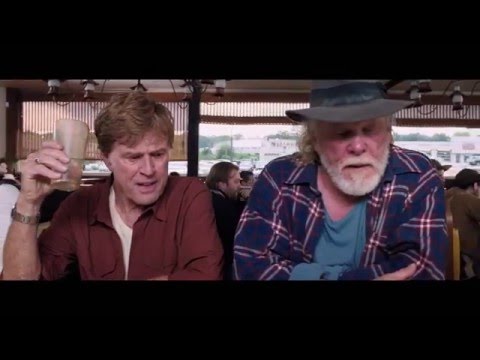
Bande annonce du film RANDONNEURS AMATEURS (A Walk in the Woods), adaptation du livre de Bill Bryson.
Dans la catégorie :
Australie (Géographie)Voir plus
>Géographie générale>Géographie des pays>Australie (Géographie) (10)

Les plus populaires : Littérature étrangère
Voir plus




Les Dernières Actualités
Voir plus


Autres livres de Bill Bryson (22)
Voir plus




Quiz
Voir plus
Compléter les titres
Orgueil et ..., de Jane Austen ?
Modestie
Vantardise
Innocence
Préjugé
10 questions
20193 lecteurs ont répondu
Thèmes :
humourCréer un quiz sur ce livre20193 lecteurs ont répondu