








Le choix des libraires vous emmène à Auxerre, à la rencontre de Grégoire Courtois qui anime avec passion la Librairie Obliques !
Voici ses conseils :
le livre nécessaire : Platon, "Gorgias" (Flammarion)
le livre pour une soirée confinée : Ken Kesey, "Et quelques fois j'ai comme une grande idée" (Monsieur Toussaint Louverture)
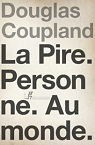
le livre antidépresseur : Douglas Coupland, "La pire personne. Au monde." (Au diable vauvert)
le livre clique et collecte : Hoai Huong Nguyen, "Sous le ciel qui brûle" (Éditions Viviane Hamy).
Retrouvez l'émission en intégralité ci-dessous : https://www.france.tv/france-5/la-grande-librairie/

Douglas Coupland
Maryvonne Ssossé (Traducteur)/5 83 notes
Maryvonne Ssossé (Traducteur)/5 83 notes
Résumé :
Enceinte et secrètement mariée, Cheryl Anway griffonne sur un cahier d'écolier ce qui deviendra ses dernières volontés, juste avant que trois élèves, désaxés et déchaînés, mitraillent la cafétéria de son lycée. Quatre personnages dramatiquement touchés racontent alors leur histoire : Cheryl narre calmement sa propre mort ; Jason, le garçon dont tout le monde ignorait qu'il était son mari, encore dévasté par sa mort dix ans après ; Heather, la femme qui essaie d'aime... >Voir plus
étiquettes
Ajouter des étiquettes
Que lire après Hey, Nostradamus !Voir plus
Critiques, Analyses et Avis (11)
Voir plus
Ajouter une critique
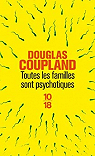
Hey, Nostradamus ! est un roman de l'auteur canadien Douglas Coupland, également connu pour Génération X et Toutes les familles sont psychotiques que je suis bien tenté de lire également.
Publié en 2003, ce roman est centré sur un massacre fictif dans un lycée canadien, similaire à la fusillade du lycée Columbine en avril 1999. Hasard du calendrier, ce roman a été publié la même semaine que la sortie du film Elephant de Gus van Sant qui s'inspire lui aussi des mêmes faits.
Le livre est composé de quatre parties de taille inégale :
- les cinquante premières pages se déroulent en 1988 et donnent la parole à Cheryl, jeune victime de la fusillade qui nous raconte les dernières heures de sa vie
- la deuxième partie, la plus longue avec plus de cent trente pages s'ouvre en 1999 : onze ans après le massacre qui a coûté la vie de sa petite amie Cheryl et pour lequel il a été injustement mis en cause, Jason tente toujours de faire le deuil
- dans la troisième partie, trois ans plus tard, Heather nous narre sa rencontre avec Jason et la difficulté de partager la vie d'un homme anéanti
- enfin, les vingt dernières pages sont relatées par le père de Jason, Reg, un intégriste religieux abandonné par ses proches
Il n'y a pas de surprise dans ce roman. N'y cherchez ni suspense, ni action, ni grandes histoires romantiques, ni mélodrames familiaux. Vous y trouverez par contre le portrait de personnages parfaitement humains et le tableau de sentiments tout autant humains. Des thèmes universels comme la mort, le deuil, l'amour, la religion et la famille y sont abordés avec beaucoup de justesse par le biais des états d'âme des quatre narrateurs successifs.
Individuellement, les personnages ne sont pas vraiment attachants : Cheryl a tout de la lycéenne ennuyante et trop parfaite pour être sympathique, Jason ferait passer Calimero et Droopy pour des modèles d'enthousiasme et de positivisme, Heather est peut-être la moins déplaisante des quatre (quoique ... ) et Reg est tout simplement détestable. Pourtant, j'ai suivi leurs vies et leurs réflexions avec beaucoup d'intérêt. Ca m'a parlé, tout bêtement.
C'est un bon roman, indéniablement. de quoi donner envie de découvrir les autres romans de cet auteur. Quand je les aurai achetés et que j'aurai terminé ceux qui attendent déjà sur la pile qui trône sur mon bureau ...
Publié en 2003, ce roman est centré sur un massacre fictif dans un lycée canadien, similaire à la fusillade du lycée Columbine en avril 1999. Hasard du calendrier, ce roman a été publié la même semaine que la sortie du film Elephant de Gus van Sant qui s'inspire lui aussi des mêmes faits.
Le livre est composé de quatre parties de taille inégale :
- les cinquante premières pages se déroulent en 1988 et donnent la parole à Cheryl, jeune victime de la fusillade qui nous raconte les dernières heures de sa vie
- la deuxième partie, la plus longue avec plus de cent trente pages s'ouvre en 1999 : onze ans après le massacre qui a coûté la vie de sa petite amie Cheryl et pour lequel il a été injustement mis en cause, Jason tente toujours de faire le deuil
- dans la troisième partie, trois ans plus tard, Heather nous narre sa rencontre avec Jason et la difficulté de partager la vie d'un homme anéanti
- enfin, les vingt dernières pages sont relatées par le père de Jason, Reg, un intégriste religieux abandonné par ses proches
Il n'y a pas de surprise dans ce roman. N'y cherchez ni suspense, ni action, ni grandes histoires romantiques, ni mélodrames familiaux. Vous y trouverez par contre le portrait de personnages parfaitement humains et le tableau de sentiments tout autant humains. Des thèmes universels comme la mort, le deuil, l'amour, la religion et la famille y sont abordés avec beaucoup de justesse par le biais des états d'âme des quatre narrateurs successifs.
Individuellement, les personnages ne sont pas vraiment attachants : Cheryl a tout de la lycéenne ennuyante et trop parfaite pour être sympathique, Jason ferait passer Calimero et Droopy pour des modèles d'enthousiasme et de positivisme, Heather est peut-être la moins déplaisante des quatre (quoique ... ) et Reg est tout simplement détestable. Pourtant, j'ai suivi leurs vies et leurs réflexions avec beaucoup d'intérêt. Ca m'a parlé, tout bêtement.
C'est un bon roman, indéniablement. de quoi donner envie de découvrir les autres romans de cet auteur. Quand je les aurai achetés et que j'aurai terminé ceux qui attendent déjà sur la pile qui trône sur mon bureau ...
Inspiré de la tragédie qui eu lieu dans un lycée de Columbine au cours de laquelle deux adolescents avaient tiré sur plusieurs de leurs camarades ainsi que sur leurs professeurs, ce récit à quatre voix est à la fois un roman noir et un récit psychologique. On y trouve notamment les personnages de Cheryl, l'une des victimes et Jason, avec lequel elle s'était mariée secrètement, sont tous deux des jeunes chrétiens conservateurs.
Les deux autres voix de ce roman, Heather et Reg sont également impliqués dans ce drame puisqu'Heather est une femme qui tentera désespérément d'aimer Jason et de se faire aimer de lui suite à la mort de Cheryl dans ce terrible carnage, et enfin Reg qui n'est autre que le père de Reg. Douglas Copland signe ici un thriller rempli d'émotions et sans jamais que l'on y retrouve de répétitions ou de longueurs. Celui-ci s'attarde aussi sur la psychologie des personnages dans leur ensemble et c'est une vrai prouesse de la part de l'auteur.
S'inspirant de faits réels, ce livre n'en est que plus bouleversant et passionnant. A découvrir !
Les deux autres voix de ce roman, Heather et Reg sont également impliqués dans ce drame puisqu'Heather est une femme qui tentera désespérément d'aimer Jason et de se faire aimer de lui suite à la mort de Cheryl dans ce terrible carnage, et enfin Reg qui n'est autre que le père de Reg. Douglas Copland signe ici un thriller rempli d'émotions et sans jamais que l'on y retrouve de répétitions ou de longueurs. Celui-ci s'attarde aussi sur la psychologie des personnages dans leur ensemble et c'est une vrai prouesse de la part de l'auteur.
S'inspirant de faits réels, ce livre n'en est que plus bouleversant et passionnant. A découvrir !
2003, dans un lycée quelque part au Canada, un matin ordinaire, et pourtant il y a un massacre. Trois jeunes types se déchainent à l'arme automatique sur leurs « camarades » de classe pour on ne sait quelles raisons obscures. Il seront nombreux à mourir, Cheryl Anway fera parti des jeunes gens mortellement touchés.
A ce moment du récit, on pourrait légitimement commencer à se dire : « et paf, c'est reparti pour une énième histoire de massacre à l'américaine avec pour toile de fond le mal-être d'une jeunesse désabusée ». Eh bien oui, il y a un peu de ça, mais Douglas Coupland, plutôt que de plonger dans une sorte de sentimentalisme désuet, nous offre ici un petit bijoux dont lui seul a le secret.
Quatre points de vue, quatre ressentis, quatre visions du monde très différentes. Cheryl, elle va mourir, elle le sait, pourtant elle fait calmement le point sur sa vie. Jason, dix ans après, il était secrètement marié à Cheryl et reste dévasté. Heather, la femme de Jason. Reg, le père de Cheryl, inébranlable dans sa foie religieuse.
On est balancé comme des pantins d'un protagoniste à l'autre durant tout le récit, l'auteur nous permettant d'entrer dans l'intimité la plus profonde de chacun d'entre eux, c'est réellement troublant. Au bout du compte, on ressort bouleversé de cette lecture, il me semble qu'elle a le pouvoir de nous emmener au plus profond de nous même, dans des régions qui nous semblaient jusque là inexplorables.
Lien : http://testivore.com/hey-nos..
A ce moment du récit, on pourrait légitimement commencer à se dire : « et paf, c'est reparti pour une énième histoire de massacre à l'américaine avec pour toile de fond le mal-être d'une jeunesse désabusée ». Eh bien oui, il y a un peu de ça, mais Douglas Coupland, plutôt que de plonger dans une sorte de sentimentalisme désuet, nous offre ici un petit bijoux dont lui seul a le secret.
Quatre points de vue, quatre ressentis, quatre visions du monde très différentes. Cheryl, elle va mourir, elle le sait, pourtant elle fait calmement le point sur sa vie. Jason, dix ans après, il était secrètement marié à Cheryl et reste dévasté. Heather, la femme de Jason. Reg, le père de Cheryl, inébranlable dans sa foie religieuse.
On est balancé comme des pantins d'un protagoniste à l'autre durant tout le récit, l'auteur nous permettant d'entrer dans l'intimité la plus profonde de chacun d'entre eux, c'est réellement troublant. Au bout du compte, on ressort bouleversé de cette lecture, il me semble qu'elle a le pouvoir de nous emmener au plus profond de nous même, dans des régions qui nous semblaient jusque là inexplorables.
Lien : http://testivore.com/hey-nos..
Quatre personnes nous parlent dans ce roman. Elles exposent leur vie, leurs interrogations, leur reconstruction aussi. Au centre de l'histoire un drame, un massacre dans un lycée américain, trois jeunes qui décident de décimer leurs amis, leurs connaissances avec froideur. Ce roman est un mélange de réflexions sur la vie, sur la religion et il décrit en même temps des scènes de grande violence. Je n'ai pas réussi à trouver le bon niveau, je n'ai pas saisi le message et je ne suis pas du tout rentrée dans l'univers de l'auteur. Un roman étrange à découvrir du moins à essayer.
A la suite du massacre de Colombine, les auteurs ont été prolixes. Avec plus ou moins de talent. Coupland a du talent à revendre.
Il nous raconte ici le lendemain d'un massacre dans un lycée de Vancouver en 1988.
La satire se mêle à une écriture d'une puissance dévastatrice. C'est une comédie noire et un portrait d'étudiants, entre autres de jeunes gens conservateurs, dont la religion a autant un pouvoir de destruction que de rédemption.
On retrouve, bien sûr, les thèmes chers à Coupland : l'érosion de la foi, le pouvoir des médias...
C'est un roman original et en prise directe avec l'actualité.
La découverte de Coupland a été pour moi celle d'un auteur qui est resté l'un de mes favoris. Je n'en dis pas plus : il faut le lire !
Il nous raconte ici le lendemain d'un massacre dans un lycée de Vancouver en 1988.
La satire se mêle à une écriture d'une puissance dévastatrice. C'est une comédie noire et un portrait d'étudiants, entre autres de jeunes gens conservateurs, dont la religion a autant un pouvoir de destruction que de rédemption.
On retrouve, bien sûr, les thèmes chers à Coupland : l'érosion de la foi, le pouvoir des médias...
C'est un roman original et en prise directe avec l'actualité.
La découverte de Coupland a été pour moi celle d'un auteur qui est resté l'un de mes favoris. Je n'en dis pas plus : il faut le lire !
Citations et extraits (18)
Voir plus
Ajouter une citation
Après ma conversion, je me suis interrogée et j'ai connu des moments peu agréables. Je me demandais pourquoi le seul but de cette religion était d'aller au paradis, ce qui me paraissait fort égoïste. La Bande Qui Déjeune Dehors parlait du paradis de la même façon que d'une couleur de cheveux, et je voyais une sortie de contradiction spirituelle interne à vivre une existence pieuse dans un cabriolet Volkswagen couleur bordeaux.
- As-tu jamais douté de... de tes croyances ?
Il me regarda par dessus le rebord de son verre. "Si tu m'avais posé cette question, il y a dix ans, je serais devenu violet et je t'aurais flanquée dehors, même si je n'étais pas chez moi. Je t'aurais considérée comme une personne nuisible. Je t'aurais méprisée. Mais maintenant, je peux te répondre oui, sans que cela ne m'écorche la bouche, sans même le sentir. J'ai l'impression d'être lourd. aussi pesant que des haltères. J'ai simplement envie de m'immerger dans la planète, comme un rocher dans un marécage, et d'en finir avec tout ça.
Il me regarda par dessus le rebord de son verre. "Si tu m'avais posé cette question, il y a dix ans, je serais devenu violet et je t'aurais flanquée dehors, même si je n'étais pas chez moi. Je t'aurais considérée comme une personne nuisible. Je t'aurais méprisée. Mais maintenant, je peux te répondre oui, sans que cela ne m'écorche la bouche, sans même le sentir. J'ai l'impression d'être lourd. aussi pesant que des haltères. J'ai simplement envie de m'immerger dans la planète, comme un rocher dans un marécage, et d'en finir avec tout ça.
En tout cas, ces amis ne se bagarrent pas à propos de serviettes ou de porte-serviettes - ou du moins, ça n'arriverait pas si je dirigeais le monde. D'accord, vaut mieux laisser tomber cette histoire de diriger le monde, je peux à peine arriver à faire reconnaître mon existence par les portes automatiques de Save-On-Foods. Je dois donc accepter ce que m'offre la vie. Le prendre avec un sourire. Me calmer.
Pour résumer, je crois que pour qu'une relation survive en ce monde, chacun des deux individus doit pouvoir terminer les phrases de l'autre. Laissez tomber le drame, le sexe torride et le choc des contraires. Donnez-moi des plaisanteries chaque jour de la semaine.
Étrange d'être coupable d'actes d'une telle importance sans en être conscient. C'est peut-être cette sensation que l'on éprouve en pensant qu'on porte le poids du péché originel dès la naissance, ou plutôt en croyant foncièrement dans la notion de péché originel - l'impression de vivre avec un soleil noir planant au-dessus de la tête.
Videos de Douglas Coupland (4)
Voir plusAjouter une vidéo
autres livres classés : fusilladesVoir plus


Les plus populaires : Littérature étrangère
Voir plus


Les Dernières Actualités
Voir plus




Autres livres de Douglas Coupland (22)
Voir plus




Quiz
Voir plus
Dead or Alive ?
Harlan Coben
Alive (vivant)
Dead (mort)
20 questions
1822 lecteurs ont répondu
Thèmes :
auteur américain
, littérature américaine
, états-unisCréer un quiz sur ce livre1822 lecteurs ont répondu